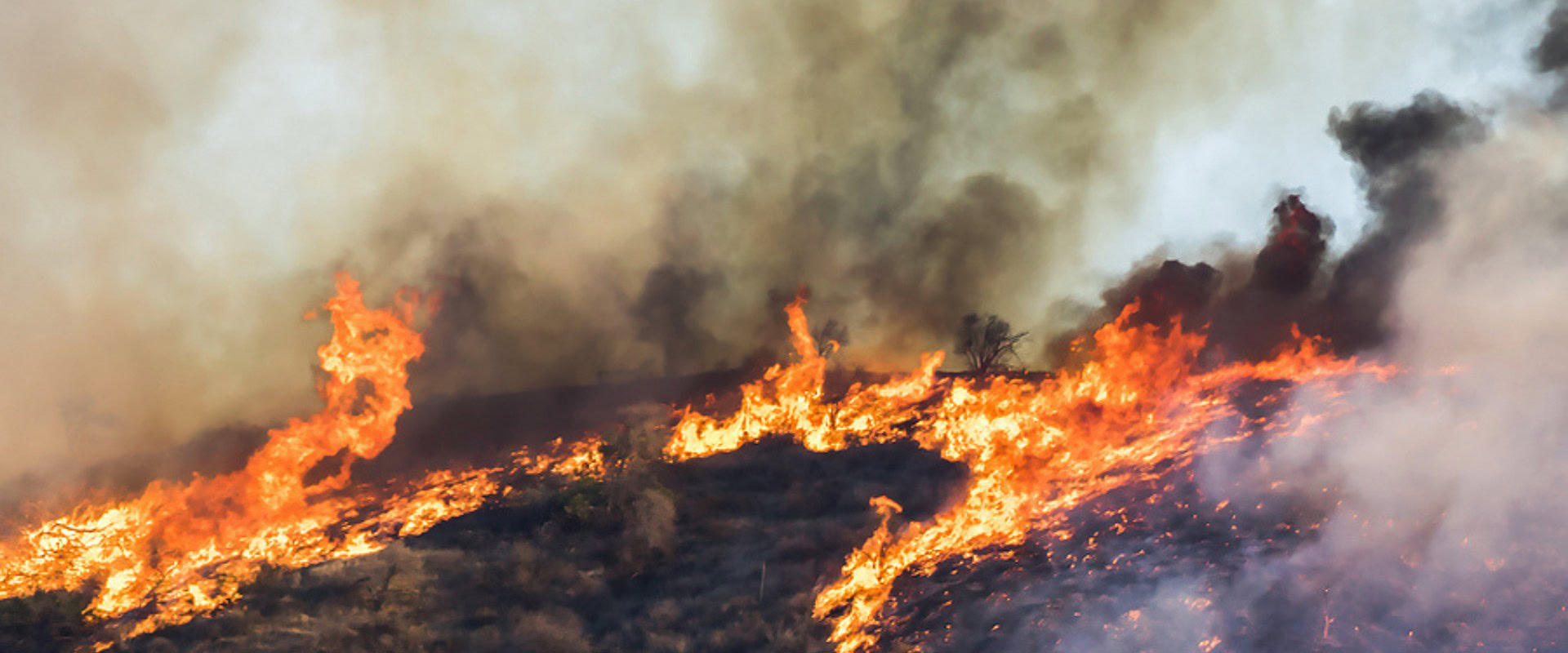
Air quality testing after wildfire smoke exposure is a critical step for property owners who want to protect occupant health. Even after visible smoke clears, harmful particles can remain indoors and continue affecting air quality.
How Wildfire Smoke Impacts Indoor Air Quality
Wildfire smoke is made up of a complex mixture of gases and microscopic particles that can travel far from the fire source. These particles easily enter buildings through doors, windows, vents, and small gaps in the structure. Once inside, smoke contaminants can linger for days or weeks. Fine particulate matter is especially concerning because it remains suspended in the air and can penetrate deep into the lungs when inhaled. This is why understanding wildfire smoke damage goes beyond what you can see or smell.
Health & Property Risks From Smoke Exposure
Smoke from a fire affects both people and buildings. For occupants, short-term exposure can cause irritation, coughing, headaches, or breathing difficulties. Long-term exposure may worsen asthma, heart conditions, or other respiratory issues. From a property standpoint, smoke particles can:
- Settle on walls, ceilings, and furnishings.
- Create persistent odors that are difficult to remove.
- Contaminate HVAC ductwork and filters.
- Reduce the effectiveness of air circulation systems.
How To Test Air Quality After A Fire
Testing the air quality in your property after exposure to wildfire smoke is a critical step in ensuring safety. Employing the right methods and tools will help determine the presence and concentration of harmful particles:
- Professional Air Quality Assessments: Engage air quality experts to conduct comprehensive evaluations using state-of-the-art equipment for precise results.
- DIY Air Quality Monitors: Use readily available air quality monitors for ongoing inspection. These devices can provide immediate readings on air pollution levels.
- Regular Inspections: Conduct frequent air inspections post-exposure to monitor air quality shifts and ensure that mitigation measures are effective.
Understanding Wildfire Smoke Damage Inside Buildings
Wildfire smoke damage often shows up in less obvious ways. Even when surfaces appear clean, smoke residue can cling to porous materials such as insulation, upholstery, and carpeting. HVAC systems are especially vulnerable. Smoke particles can circulate repeatedly through ductwork, spreading contamination throughout the building. This is one reason air quality testing is often paired with HVAC inspection after wildfire events.
How To Keep Wildfire Smoke Out Of A House
Preventive measures can effectively keep wildfire smoke at bay, minimizing exposure and maintaining indoor air quality:
- Sealing & Weatherproofing: Properly seal windows and doors to prevent smoke infiltration. Utilize weatherproofing materials for enhanced protection.
- Air Filtration Systems: Implement high-efficiency air filters or air purifiers to capture fine particles and improve air quality.
- Ventilation Modifications: During wildfire events, adjust ventilation systems to recirculate indoor air, thereby reducing the amount of smoke entering the property.
How To Protect Yourself From Wildfire Smoke Indoors
Personal protection is just as important as property protection. Creating a safer indoor environment helps reduce health risks when smoke levels are elevated. Many people choose to designate a single room with enhanced air filtration as a temporary clean space. Portable air purifiers with HEPA filters can significantly reduce particulate levels in enclosed areas. Monitoring local air quality reports also helps you know when to limit activity or take additional precautions.
Why Wildfires & Air Quality Require Professional Evaluation
Wildfires and air quality concerns are closely linked, but the effects are not always immediate or obvious. Smoke exposure can vary based on wind patterns, building design, and duration of the event.
According to the United States Environmental Protection Agency (EPA), fine particles from wildfire smoke can remain airborne for extended periods and pose ongoing health risks indoors if not properly addressed. This is why professional testing and assessment play a key role in post-wildfire recovery.
When Air Quality Testing Is The Right Next Step
If your property was exposed to wildfire smoke, air quality testing provides clarity. It helps determine whether conditions have returned to safe levels or if further action is needed to protect occupants. Testing is especially important for homes with sensitive individuals, commercial buildings, or properties that rely on mechanical ventilation systems.
Restore Indoor Air Confidence With M3 Environmental
In the aftermath of wildfire smoke exposure, ensuring clean and safe air quality in your property is paramount. M3 Environmental offers expert consulting and testing services tailored to restore safe air levels in your home or commercial building. Through comprehensive inspections and strategic recommendations, we help you navigate post-wildfire challenges efficiently. Reach out to our team today to schedule a wildfire smoke damage assessment or air quality consultation to safeguard your property and health.