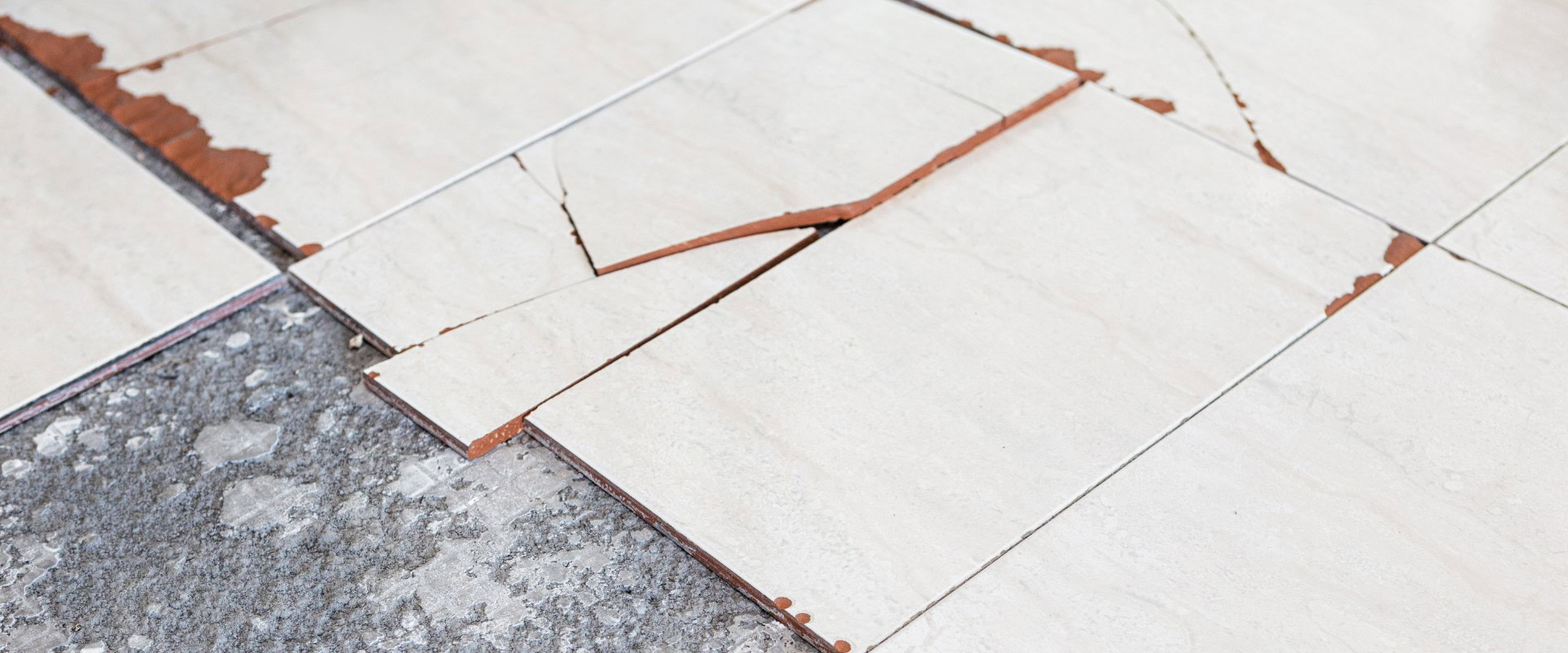
Asbestos sampling in structures with mixed legacy materials requires careful inspection, targeted asbestos testing, and accurate evaluation of each suspect material. Older commercial buildings, public facilities, and institutional properties often contain materials from several construction periods, which can make asbestos detection more complex.
A single room may have original finishes beneath later upgrades. Flooring, wall systems, insulation, sealants, and adhesives may also have changed over time. For facility managers and property owners, professional asbestos inspection helps clarify what is present before renovation, maintenance, or property planning decisions move forward.
Mixed Legacy Materials Make Asbestos Inspection More Complex
Structures with mixed legacy materials rarely have one clear construction history. Past repairs, tenant improvements, partial renovations, and system upgrades can leave different materials layered into the same area.
That complexity matters during asbestos inspection because each material may require separate consideration. A visible surface may test differently from the material beneath it. Adhesives, backing layers, and older substrates may also contain asbestos even when the finished surface appears newer.
Professional inspection helps you avoid assumptions based on age, appearance, or renovation records. Sampling decisions should come from observed site conditions and applicable regulatory requirements.
Asbestos Sampling Must Address Each Suspect Layer
Multiple material layer testing is often necessary when surfaces include stacked or bonded materials. Flooring systems are a common example because older tile, backing, mastic, leveling compounds, and newer finishes may overlap. Sampling only the visible layer can leave important questions unanswered. A complete sampling strategy should identify which layers need evaluation and how each sample should be documented.
- Visible Surface Layer: Evaluates the exposed material that occupants or workers can currently see.
- Hidden Backing Layer: Checks older backing materials that may remain beneath newer finishes.
- Adhesive Or Mastic Layer: Assesses bonding materials that can contain asbestos in legacy installations.
- Substrate Interface: Reviews the point where old and new materials meet.
- Distinct Material Change: Treats visibly different materials as separate suspect areas.
Composite Sample Evaluation Requires Technical Judgment
Composite sample evaluation can be useful in some settings, but it requires careful interpretation. When multiple layers are present, combining materials without proper documentation can make results harder to interpret.
A qualified asbestos testing approach should preserve clarity. You need to know which material was sampled, where it came from, and whether individual layers require separate analysis. Clear chain-of-custody documentation also supports defensible results.
For older facilities, this matters because one layer may test negative while another layer tests positive. Accurate evaluation helps you understand the location and condition of asbestos-containing material without overstating or overlooking risk.
Asbestos In Mastic & Adhesives Is Easy To Miss
Asbestos in mastic and adhesives can create sampling challenges because these materials often sit beneath flooring, wall coverings, or other finishes. They may look like residue, old glue, or dark bonding material rather than a separate construction component. These materials can remain in place after several renovation cycles. New finishes may cover older adhesive layers, which makes a visual review alone insufficient.
An asbestos inspection should consider whether adhesives or mastics are present beneath visible finishes. Careful sampling helps determine whether those hidden materials need to be accounted for in project planning and compliance review.
Difficult Access Asbestos Locations Require Careful Planning
Difficult-to-access asbestos locations can complicate inspection planning. Some suspect materials may be above ceilings, behind panels, within service spaces, or beneath built-up finish systems.
Access limitations should not lead to rushed sampling or incomplete documentation. The inspection plan should account for building conditions, occupant safety, and practical access constraints before work begins.
- Ceiling Plenums: May contain older insulation, fireproofing, or mechanical system materials.
- Wall Cavities: Can conceal older patching compounds or layered wall assemblies.
- Floor Transitions: Often reveal prior flooring systems beneath newer finishes.
- Mechanical Areas: May include insulation or gaskets associated with legacy equipment.
- Limited Access Zones: Require planning before destructive access or intrusive sampling occurs.
OSHA Asbestos Regulations Affect Renovation & Maintenance Work
Occupational Safety and Health Administration (OSHA) regulations apply to work involving asbestos exposure in construction activities. The OSHA standard for asbestos covers activities such as demolition, renovation, repair, maintenance, and work on structures that contain asbestos.
For property owners and facility managers, this reinforces the importance of identifying suspect materials before work disturbs them. Testing helps support informed decisions, worker protection planning, and contractor coordination.
Asbestos sampling also creates a clearer record for future facility work. When materials have been properly tested and documented, your team can make better decisions during repairs, tenant improvements, and capital projects.
EPA Rules Emphasize Inspection Before Regulated Work
The U.S. Environmental Protection Agency (EPA) states that the asbestos National Emission Standards for Hazardous Air Pollutants (NESHAP) regulations require a thorough inspection before demolition or renovation activities subject to the rule. The inspection helps determine whether asbestos requirements apply to the project.
This is especially important in buildings with mixed legacy materials. The inspection may need to address concealed systems, layered finishes, and materials that changed across different construction periods. A thorough asbestos inspection supports compliance by creating a documented basis for project decisions. It also helps reduce uncertainty before work begins.
A Practical Sampling Plan Helps Control Project Risk
A practical asbestos sampling plan should match the building’s condition and project scope. The plan should also account for how work may disturb suspect materials.
- Project Scope Review: Identifies which areas may be affected by planned work.
- Material Inventory: Separates visible materials by type, condition, and location.
- Layer Evaluation: Determines when multiple material layer testing is needed.
- Access Planning: Addresses difficult locations before sampling begins.
- Reporting Needs: Ensures results support compliance, planning, and contractor coordination.
Professional Asbestos Testing Supports Confident Facility Decisions
Structures with mixed legacy materials require a disciplined approach to sample evaluation. M3 Environmental provides asbestos testing and environmental consulting services for commercial property owners, corporate facility managers, and government agencies in Monterey, CA. Contact us to schedule asbestos testing and get the information you need to support safe, compliant facility planning.