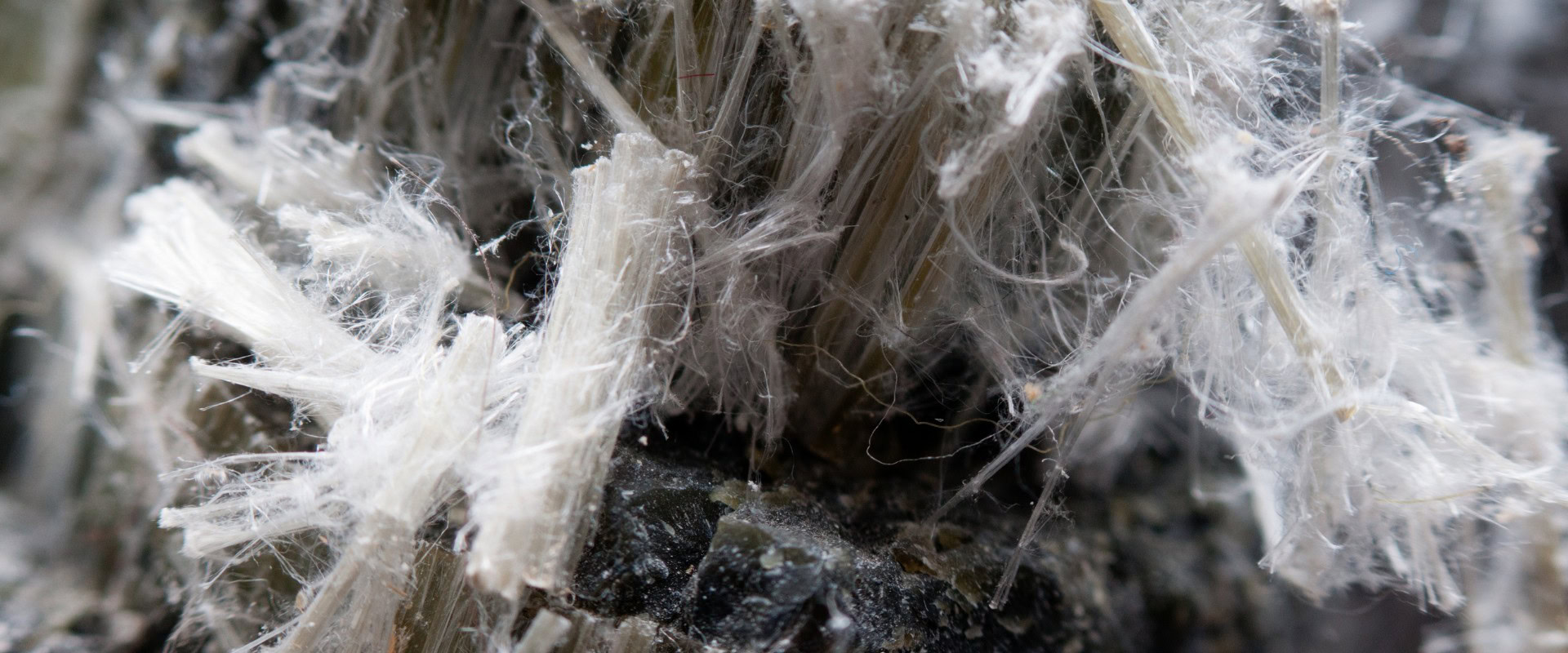
Understanding the difference between friable asbestos and non-friable asbestos is essential for construction projects in Monterey, CA. These materials behave very differently when disturbed, which directly impacts asbestos inspection, safety planning, and regulatory compliance.
Both forms fall under the category of asbestos-containing materials (ACM), but their risk profiles differ. Identifying the type present allows facility managers, contractors, and agencies to make informed decisions during renovation, maintenance, and demolition.
What Defines Friable Asbestos In Construction Settings
Friable asbestos refers to materials that release fibrous asbestos when handled or disturbed. Even light pressure can cause these materials to break apart and become airborne, increasing exposure risk. These materials often appear in older construction systems and require careful identification during asbestos inspection.
- Easily Disturbed Structure: Friable materials break down with minimal force, releasing fibers into the air.
- Common Material Types: Spray-applied insulation, pipe insulation, and acoustic coatings frequently contain friable ACM.
- High Exposure Risk: Airborne fibers increase the likelihood of inhalation during construction activity.
- Inspection Priority: Projects must identify friable ACM early to support accurate asbestos risk assessment.
Understanding Non-Friable Asbestos & Bonded Materials
Non-friable asbestos, often called bonded asbestos, remains contained within a solid material matrix. Under normal conditions, these materials do not release fibers. However, risk increases when cutting, drilling, or damaging the material during construction activities.
- Bonded Composition: Fibers remain locked within materials like cement, vinyl tiles, and roofing products.
- Lower Immediate Risk: Intact materials typically do not release fibers into the air.
- Disturbance Sensitivity: Mechanical actions can convert non-friable asbestos into a friable state.
- Common Applications: Flooring, siding, and cement-based products frequently contain bonded asbestos.
Key Asbestos Differences That Impact Construction Planning
Recognizing the difference between friable and non-friable materials directly affects how projects are planned and managed. These distinctions guide inspection scope, work sequencing, and safety protocols.
Friable materials require stricter controls because they release fibers more easily. Non-friable materials allow for more flexibility when left undisturbed, but still require evaluation before any work begins. Understanding these differences supports better decision-making across project phases and helps reduce unexpected disruptions.
Which Forms Of Asbestos Present The Highest Risk?
Not all asbestos materials carry the same level of risk (EPA). Some forms are more likely to release fibers and require closer attention during inspections.
Spray-applied insulation and loosely bound materials rank among the most friable asbestos types. These materials can release fibers with minimal disturbance, especially in aging structures. In contrast, bonded materials remain stable unless physically altered. However, once damaged, they can behave similarly to friable materials, increasing risk during construction.
How Construction Activities Change Asbestos Risk Levels
Construction work can shift the risk profile of asbestos-containing materials. Activities such as cutting, drilling, sanding, or demolition increase the chance of fiber release. Even materials that begin as non-friable can become hazardous when disturbed. This makes planning and sequencing critical for maintaining safe conditions.
The Occupational Safety and Health Administration (OSHA) outlines exposure risks and emphasizes proper identification of asbestos. It also requires controls to protect workers and occupants.
Common Scenarios Where Misclassification Creates Risk
Misunderstanding the difference between friable and non-friable asbestos often leads to avoidable project issues. These situations commonly occur when materials are assumed to be low risk without proper inspection.
- Renovation Oversights: Non-friable materials get disturbed during upgrades, releasing fibers unexpectedly.
- Demolition Conditions: Friable ACM is overlooked, increasing airborne exposure during teardown.
- Maintenance Work: Routine repairs disturb aging materials that have become more fragile over time.
- Incomplete Inspections: Projects move forward without identifying all forms of asbestos present.
Why Asbestos Risk Assessment Matters Before Work Begins
A detailed asbestos risk assessment provides the foundation for safe construction planning. It identifies where asbestos is present, what form it takes, and how likely it is to become airborne during project activities.
- Material Identification: Determines whether asbestos is friable or non-friable.
- Condition Evaluation: Assesses whether materials show signs of damage or deterioration.
- Project Impact Analysis: Reviews how planned work may disturb asbestos-containing materials.
- Compliance Alignment: Ensures the project follows federal and California regulatory requirements.
According to the U.S. Environmental Protection Agency, asbestos becomes a greater health concern when materials are damaged or disturbed, allowing fibers to enter the air and be inhaled. This reinforces the importance of identifying material conditions before construction begins.
Supporting Safer Projects With Professional Asbestos Inspection
Accurate asbestos inspection supports safer construction outcomes and helps prevent delays, compliance issues, and exposure risks. Clear identification of friable and non-friable materials allows project teams to plan appropriately and avoid costly surprises.
M3 Environmental LLC provides consulting, inspection, and asbestos training services in Monterey, CA, to help organizations manage asbestos risks with confidence. Our team focuses on clear reporting, regulatory alignment, and practical guidance so your project can move forward safely and efficiently.