A modern office or commercial property in Monterey might look spotless, but looks can be deceiving. Many facilities contain hidden building dangers that put employees, tenants, and visitors at risk. These unseen threats affect health, air quality, and even legal liability for property owners. A thorough property hazard assessment and professional environmental consulting can uncover problems before they escalate into lawsuits or costly remediation.
Below are five of the most common and overlooked building hazards that every owner or manager should know.
1. Mold Growth Lurking Behind Walls
Few indoor environmental hazards spread as quietly as mold. Even well-maintained buildings can develop colonies when excess moisture seeps into drywall, flooring, or ceiling tiles. Poor ventilation, leaky pipes, and HVAC condensation are frequent culprits.
The risks go far beyond musty odors. Mold exposure can lead to:
- Asthma flare-ups that worsen over time.
- Chronic coughing and throat irritation caused by spores in the air.
- Sinus congestion and recurring infections linked to prolonged exposure.
- Long-term respiratory illness in severe or untreated cases.
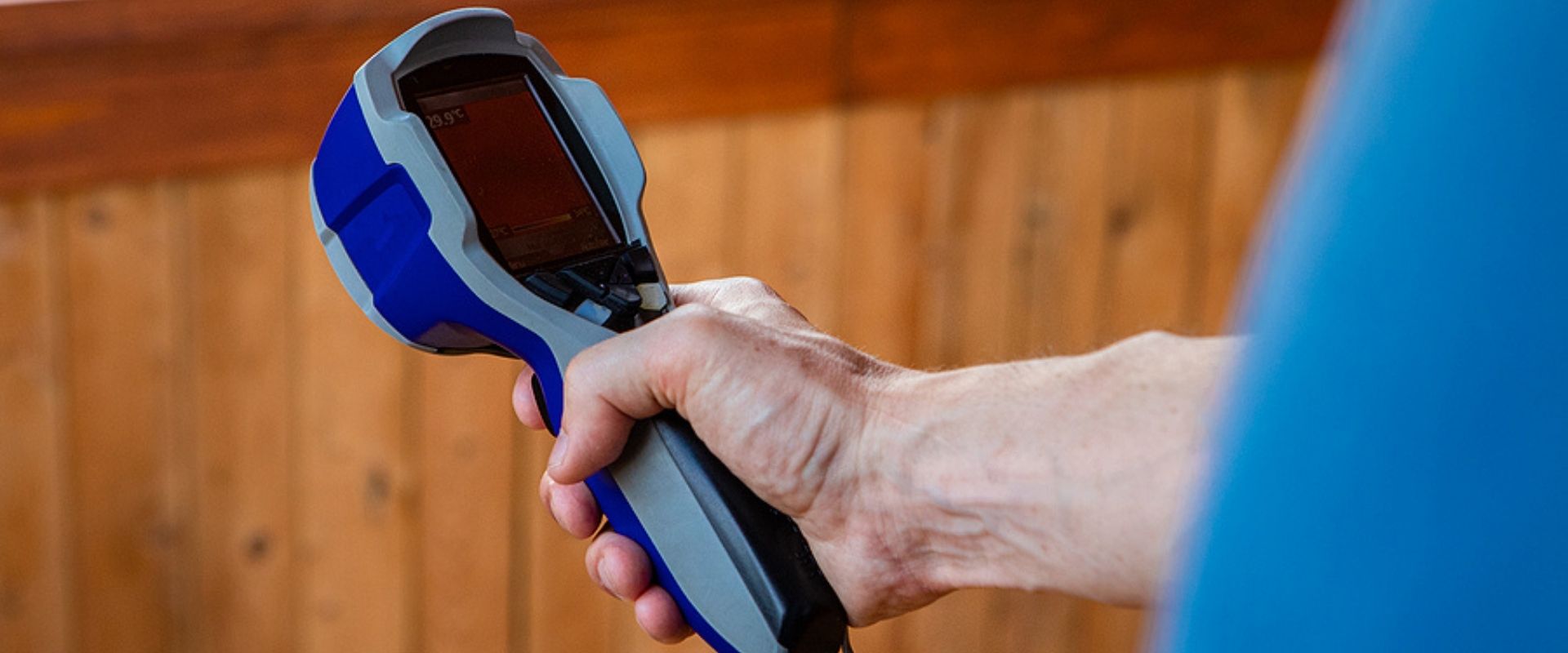
Because mold often grows where you cannot see it, a professional mold inspection is critical. Environmental specialists use moisture meters, infrared imaging, and air sampling to detect colonies before they spread. Identifying and remediating mold early prevents costly structural damage and protects building occupants from unnecessary health risks.
2. Asbestos Exposure In Older Materials
Asbestos was once considered a miracle construction material due to its fire resistance and durability. Today, we know it is one of the most dangerous hazardous materials in buildings. Properties built before the 1980s often contain asbestos in insulation, ceiling tiles, flooring adhesives, and pipe coverings.
The danger arises when these materials are disturbed during renovations or repairs. Microscopic asbestos fibers released into the air can cause lung scarring, mesothelioma, and other life-threatening illnesses. The symptoms often appear decades after exposure, which makes early detection essential.
A professional asbestos inspection and laboratory analysis are the only reliable ways to confirm its presence. If asbestos is identified, trained abatement teams must handle removal or encapsulation to avoid contaminating the building. For any owner of an older property, asbestos testing should be a standard part of a comprehensive building inspection hazards checklist.
3. Lead Paint Dangers Still Linger
Although banned in residential paints in 1978, lead is still found in many older commercial and industrial properties. According to the Environmental Protection Agency (EPA), chipped or deteriorating lead paint is a major health risk in buildings, particularly when dust is released into the air or contaminates HVAC systems.
Even small amounts of lead exposure can impair brain development, cause neurological damage, and increase blood pressure. Children and pregnant women are especially vulnerable, but adults who spend time in contaminated workplaces also face elevated risks.
Property owners must take potential lead paint dangers seriously. A professional lead inspector can test painted surfaces, dust, and soil around the property. If hazards are found, safe removal or stabilization methods can reduce exposure and limit liability.
4. Radon Gas Infiltrating Indoor Air
Unlike mold or lead paint, radon is invisible and odorless, making it one of the most insidious hidden building dangers. This naturally occurring radioactive gas seeps into buildings through cracks in foundations, gaps around pipes, or porous concrete.
The health impact is serious. According to the EPA, radon is the second leading cause of lung cancer in the United States, responsible for thousands of deaths each year. Because radon has no smell or taste, occupants may be breathing contaminated air for years without realizing the risk.
Air quality testing for radon involves placing detection devices in lower levels of a building for a set period of time. If high levels are found, mitigation systems such as sub-slab depressurization can vent the gas outside before it accumulates. For Monterey property owners, routine radon testing is an inexpensive safeguard against a potentially deadly hazard.
5. VOCs Polluting Indoor Air Quality
Volatile Organic Compounds (VOCs) are chemicals emitted as gases from products like paints, adhesives, cleaning supplies, furniture, and carpeting. Even newer commercial spaces are not immune, as many materials installed during construction can off-gas VOCs for months or years.
The health risks of indoor air quality issues include:
- Short-Term Exposure: Headaches, dizziness, nausea, and eye or throat irritation.
- Long-Term Exposure: Liver damage, central nervous system issues, and certain cancers.
- Workplace Impact: Sick building syndrome symptoms, lower productivity, and higher absenteeism.
Professional air quality testing can measure VOC concentrations and pinpoint problem sources. Improving ventilation, choosing low-VOC products, and scheduling periodic environmental testing all help reduce risks and protect the health of building occupants.
Why Hidden Hazards Put Property Owners At Risk
Unaddressed hazards are more than health concerns. They create serious commercial property risks. Tenants or employees exposed to mold, asbestos, lead, radon, or VOCs may pursue legal action. Regulatory fines, remediation costs, and reputational damage quickly outweigh the expense of proactive environmental consulting.
Early detection through mold inspection, asbestos testing, lead paint assessments, radon monitoring, and VOC analysis allows property owners to manage problems before they escalate. This approach protects occupants, reduces liability, and preserves the long-term value of the property.
Take The Next Step Toward A Safer Building
Your building may look clean, but that does not mean it is safe. Indoor environmental hazards like mold, asbestos, lead, radon, and VOCs are invisible threats that require professional testing to uncover. As an owner or manager, you are responsible for ensuring a safe environment for everyone who enters your property.
At M3 Environmental, we specialize in identifying and mitigating hidden building dangers through thorough inspections, testing, and consulting. Our experts provide clear assessments and actionable plans tailored to your property’s needs.
Do not wait until health complaints or lawsuits force your hand. Contact us today to schedule an environmental testing or property hazard assessment and take the first step toward a safer, healthier building.