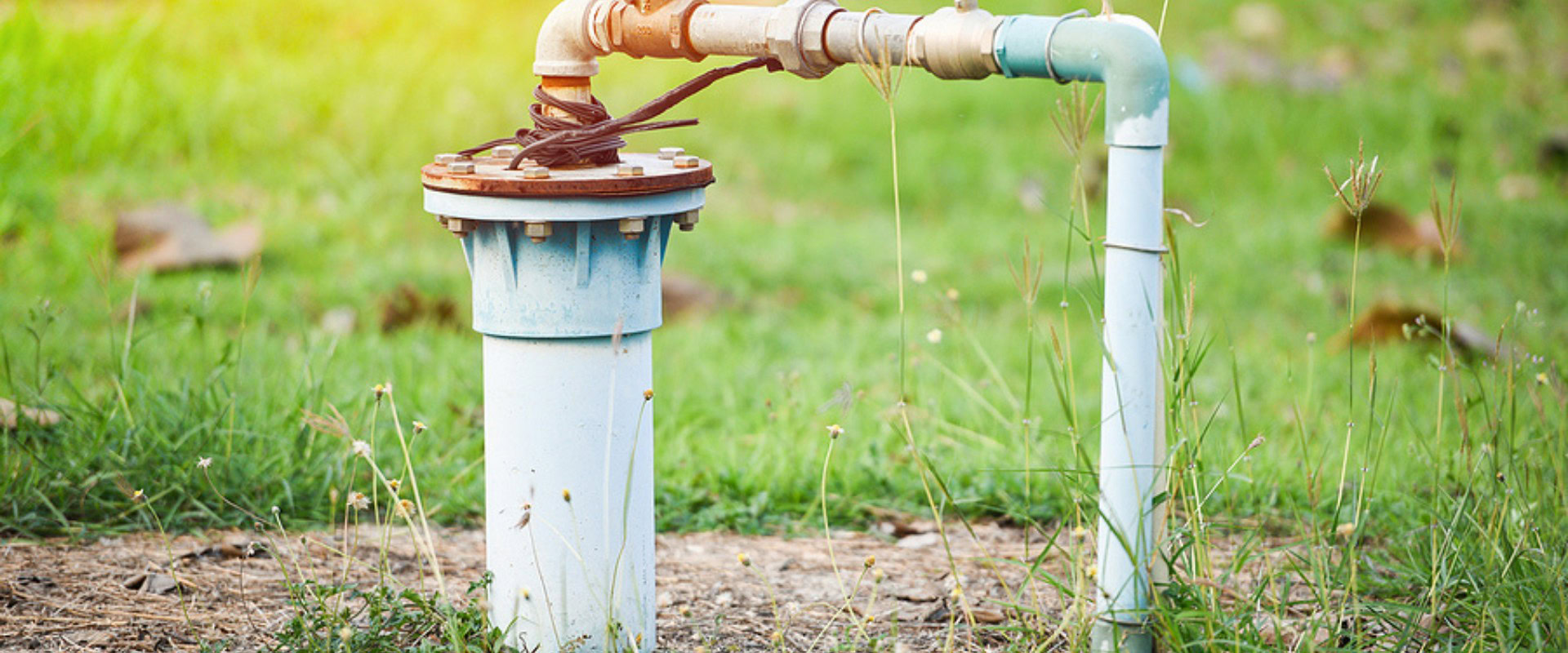
For many Monterey homeowners, private wells provide a dependable source of drinking water, but without routine testing, that reliability can quickly become uncertain. Private well water testing in Monterey is not regulated like municipal water systems, meaning the safety of your water is your responsibility. Understanding how often to test your well water, what contaminants to look for, and how environmental factors affect water quality is key to protecting your family’s health.
Why Regular Well Water Testing Matters
Monterey’s scenic landscapes and coastal conditions can conceal hidden risks beneath the surface. Groundwater can easily be impacted by agricultural runoff, natural mineral deposits, or nearby construction. Because private wells lack centralized oversight, routine testing ensures that your private water stays consistent and safe year-round.
Regular water well testing helps identify small problems before they become serious, protecting both your household and your plumbing system.
Understanding The Risks In Private Well Water
Contaminants can enter groundwater from human activity, natural geology, or storm runoff. Even clean-looking water may contain invisible pollutants.
- Bacteria & Viruses: Indicators such as total coliform or E. coli suggest possible contamination from surface water or septic systems.
- Nitrates & Nitrites: Common in agricultural regions, these compounds can harm infants and pregnant women.
- Heavy Metals: Arsenic, lead, and other metals sometimes leach into wells from natural deposits or aging plumbing.
- Pesticides & Herbicides: Monterey County’s agricultural heritage increases the risk of chemical infiltration.
The U.S. Environmental Protection Agency (EPA) recommends annual testing for bacteria and nitrates. They also recommend additional testing if nearby land use or water taste changes.
What To Test For In Well Water
Knowing what to test for in well water ensures accurate, actionable results. A comprehensive analysis typically includes:
- Microbiological Contaminants: Total coliform, E. coli, and other pathogens that indicate potential contamination.
- Chemical & Metal Analysis: Arsenic, lead, nitrates, nitrites, and any region-specific contaminants.
- pH, Hardness, & Corrosivity: Determines how water interacts with pipes and fixtures.
- Volatile Organic Compounds (VOCs): Includes chemicals like benzene or toluene, especially near industrial zones.
How Often Should You Test Your Well Water?
Homeowners frequently ask how often to test well water, and the answer depends on several factors.
- Annual Testing: Every private well should be tested at least once a year for bacteria and nitrates.
- After Environmental Events: Conduct a test after floods or heavy rains that may introduce surface contamination.
- When Water Changes: Test immediately if water develops a different taste, odor, or color.
- Near Land Use Changes: New agriculture or construction nearby can increase contamination risks.
The Centers for Disease Control and Prevention (CDC) also advises testing more frequently if small children, elderly adults, or immunocompromised individuals rely on the well.
Local Conditions That Influence Water Quality
Several Monterey-specific factors make ongoing private well water testing even more important:
- Coastal Influence: Saltwater intrusion from nearby ocean zones can alter taste and mineral balance.
- Agricultural Runoff: Fertilizers and pesticides can enter aquifers during heavy rains.
- Soil Composition: Monterey’s varied geology can introduce naturally occurring minerals like iron or manganese.
- Seasonal Shifts: Drought or intense rainfall can quickly change groundwater chemistry.
Why Expert Testing Delivers More Accurate Results
Accurate testing requires professional evaluation. DIY kits can provide preliminary insights, but professional testing offers peace of mind backed by regulatory expertise. An environmental consultant like M3 Environmental provides professional water tests for well water that include:
- Sample Collection: Following strict chain-of-custody procedures to prevent contamination.
- Comprehensive Reporting: Clear documentation of findings and comparison to state and federal standards.
- Guided Solutions: Expert recommendations for filtration, treatment, or remediation as needed.
Improving & Maintaining Water Quality
If contaminants are detected, treatment options vary depending on the issue. Environmental consultants can recommend practical solutions such as:
- Filtration Systems: Carbon or reverse-osmosis filters that remove chemicals, heavy metals, and VOCs.
- Disinfection Units: UV or chlorination systems to control bacteria.
- Regular Well Maintenance: Inspecting seals, casings, and pumps annually to prevent contamination.
- Ongoing Monitoring Plans: Scheduled retesting to confirm water quality improvements over time.
Protect Your Monterey Home With Expert Water Testing
Owning a private well comes with responsibility, and proactive care pays off. Partner with M3 Environmental for professional private well water testing in Monterey tailored to local geology, seasonal factors, and potential contamination risks. Regular testing ensures your water remains safe, clean, and compliant with the highest health standards. Protect your family and your investment by scheduling a test with our team today.